Fueling Your Health: Why What You Eat Matters More Than You Think
The power of a colorful plate
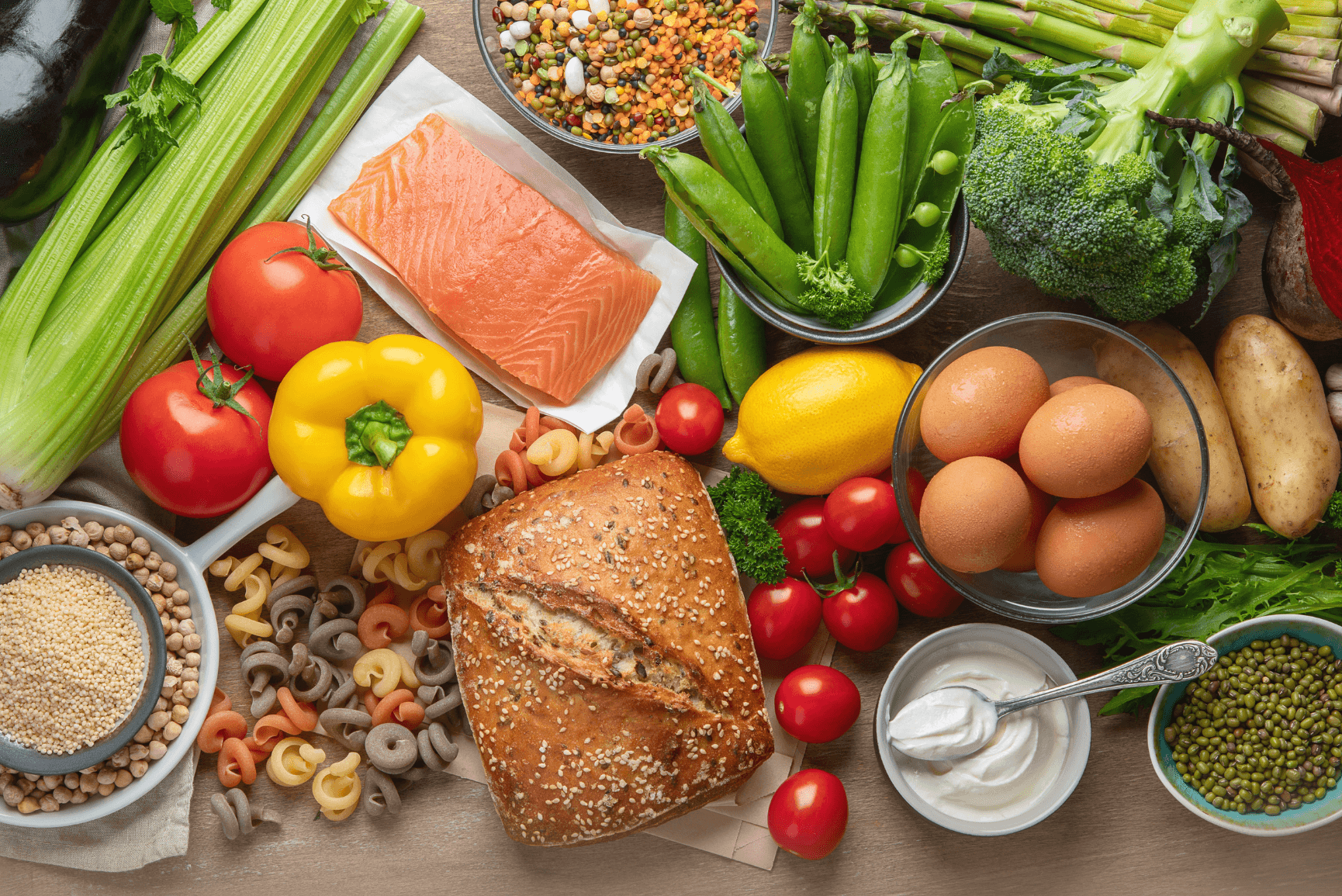
The saying “you are what you eat” may sound cliché, but it holds truth. What we put on our plates has a powerful effect on how we feel — and even on our long-term health. Choosing nutritious foods helps fuel energy, strengthen the body, lower the risk of diseases and may prevent cancers.

Cancer Prevention
According to the U.S. Department of Health and Human Services, Food is Medicine means that food and nutrition can help improve health, and that access to nutritious food is essential for well-being. The idea behind this approach is to use nutrition to promote health, manage chronic conditions and support overall wellness.
The connection between food and cancer prevention is stronger than ever. According to the American Cancer Society, no single food can prevent cancer, but a balanced diet that includes fruits, vegetables, whole grains, lean proteins and healthy fats can help reduce the risk of chronic illnesses such as heart disease, diabetes and certain cancers.
About one in five cancers are tied to excess body weight, physical inactivity, unhealthy diet and drinking too much alcohol, the American Cancer Society says. Even small changes like replacing sugary drinks with water or choosing brown rice instead of white can support long-term health.
Each day we get to be our own physician when we choose what we put in our bodies. The food we eat can nourish and regenerate healthy cells or can act as a poison and harm healthy cells while feeding the bad ones.

Healing with Nutritious Food
Research from the American Institute for Cancer Research supports this idea, showing that a plant-based diet can help lower cancer risk. Plant-based foods are high in fiber, vitamins and natural compounds that protect cells and may help prevent cancer.
According to Healthline, eating the rainbow is about nutrition and has many benefits. Different colors in fruits and vegetables represent different nutrients:
- Red foods like tomatoes and strawberries are rich in lycopene and vitamin C.
- Orange and yellow foods such as carrots and sweet potatoes provide beta-carotene for healthy skin and vision.
- Green vegetables like spinach and broccoli supply iron, calcium, and folate.
- Blue and purple foods such as blueberries and eggplant are packed with antioxidants that protect your cells.
Healthy eating doesn’t have to be expensive or complicated. According to the American Heart Association, start with these simple habits:
- Plan meals ahead and shop with a list.
- Fill half your plate with fruits and vegetables.
- Choose whole foods over processed ones.
- Cook more meals at home to control ingredients and portions.
- Stay hydrated; sometimes thirst can feel like hunger.
Food truly is medicine. It nourishes, energizes and heals. By being mindul of what we put in our bodies, we give our bodies the best chance to thrive. While food cannot replace medical treatment, it can be a powerful tool and help us live longer, healthier lives.

Searching for a primary care physician?